Parents often wonder about the ideal timing for their child’s first orthodontic visit, a decision that can significantly impact their child’s oral health and confidence for years to come. Many assume that orthodontic treatment only begins when all permanent teeth have erupted. Still, this common misconception can lead to missed opportunities for early intervention and more complex treatment later on.
At Park Smiles NYC, we understand the importance of early orthodontic evaluation and help families navigate this crucial milestone. Our experienced team provides assessments to determine the optimal timing for your child’s orthodontic journey, ensuring they receive the most effective treatment possible.
At What Age Should Children First Visit an Orthodontist?
The American Association of Orthodontists recommends that children have their first orthodontic evaluation by the time they are seven years old. This timing allows orthodontists to identify potential issues while your child’s jaw is still developing and their permanent teeth are emerging.
At this age, your child still has their primary teeth mixed with some permanent teeth. This mixed dentition phase provides valuable insights into how their teeth and jaw may develop as they grow.
Why Age Seven Is the Magic Number
Several developmental factors make age seven the ideal time for evaluation:
- The first permanent molars have typically erupted
- Jawbone development is still malleable and responsive to treatment
- Early detection allows for interceptive treatment when necessary
- Bite patterns become more apparent
Early evaluation doesn’t always mean immediate treatment begins. Instead, it establishes a baseline for monitoring your child’s development and determining the optimal time to initiate treatment, if needed.
What Signs Should Parents Watch For?
While age 7 is the recommended evaluation age, some children may benefit from earlier assessment if certain signs appear. Pay attention to your child’s oral habits and the alignment of their teeth. Look for the following signs:
- Crowded or crooked teeth
- Difficulty chewing or biting food properly
- Excessive mouth breathing
- Front teeth that protrude significantly
- Prolonged thumb sucking beyond age 5
- Spaces between teeth that seem too large
Your child may also experience jaw clicking or popping sounds, which could indicate temporomandibular joint issues. Additionally, speech difficulties or lisping might suggest orthodontic concerns worth evaluating.
What Happens During the First Orthodontic Visit?
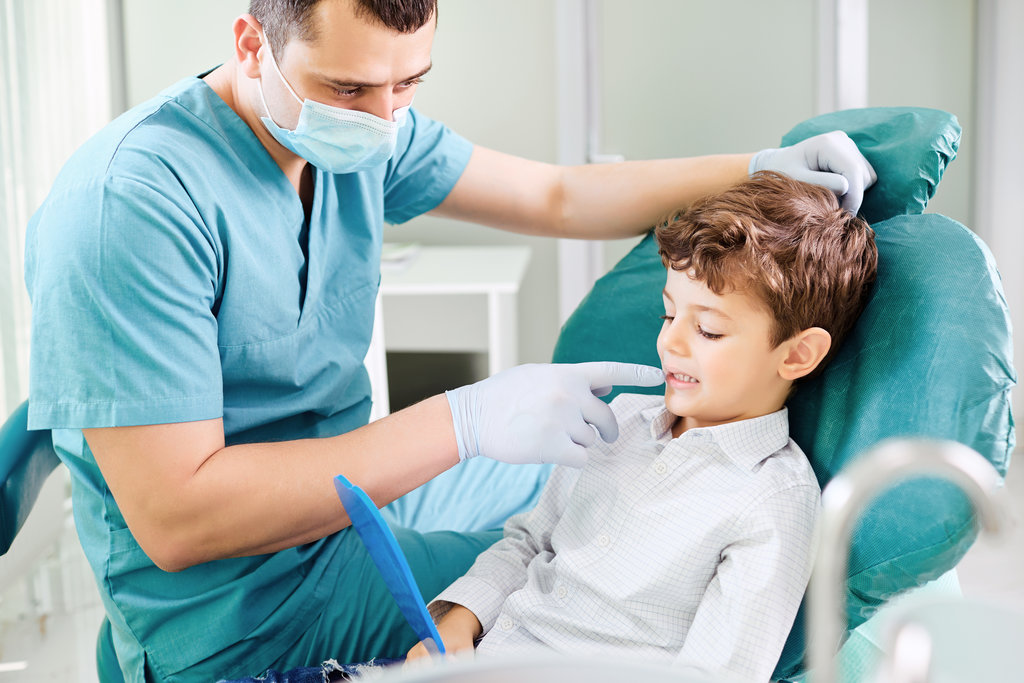
Your child’s initial orthodontic consultation involves a comprehensive examination of their teeth, jaw, and facial development. The orthodontist will assess how your child’s teeth fit together and evaluate their bite relationship.
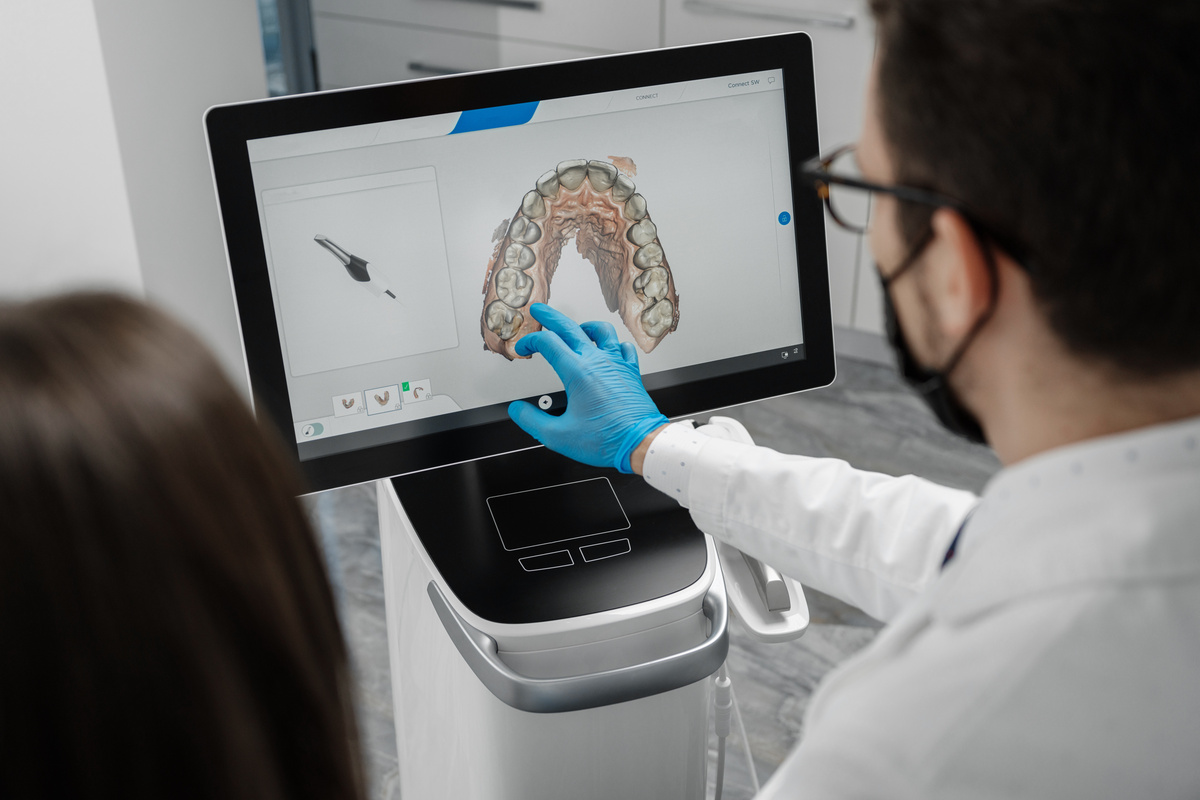
During the appointment, we typically take photographs and may perform digital imaging to get a complete picture of your child’s oral development. This information helps us determine whether treatment is needed immediately, should be delayed, or may not be necessary at all.
Making the Visit Comfortable for Your Child
We strive to create a welcoming environment where children feel comfortable and relaxed. The initial consultation is typically pain-free and focuses on education and assessment rather than treatment. This approach helps your child become familiar with the orthodontic office and builds trust for future visits.
According to the American Association of Orthodontists, early evaluation provides the most significant opportunity for effective treatment and can prevent more serious problems from developing.
Benefits of Early Orthodontic Intervention
Early orthodontic treatment, also known as Phase I treatment, can address developing problems while your child’s jaw is still growing. This interceptive approach often results in shorter and less complex later treatment.
Primary benefits include:
- Guiding jaw growth and development
- Creating space for crowded permanent teeth
- Reducing the risk of trauma to protruding front teeth
- Correcting harmful oral habits
Phase I treatment typically occurs between ages 6 and 10, when children have a mix of baby and permanent teeth. Not every child needs early treatment, but when indicated, it can prevent more extensive procedures later.
Different Types of Early Orthodontic Problems
Various orthodontic issues can be identified and addressed during childhood. Understanding these common problems helps parents recognize when professional evaluation might be beneficial:
- Overbite (upper teeth significantly overlap lower teeth)
- Underbite (lower teeth extend beyond upper teeth)
- Crossbite (upper teeth bite inside lower teeth)
- Insufficient space for permanent teeth
- Excessive spacing between teeth
- Impacted teeth are unable to emerge properly
Some children may also develop asymmetrical jaw growth or experience early loss of baby teeth, both of which can affect future dental development.
Schedule Your Child’s First Orthodontic Evaluation Today
Whether your child shows signs of orthodontic issues or has reached the recommended age of 7, a professional assessment can guide you in making informed decisions about their oral health. Taking this proactive step demonstrates your commitment to your child’s long-term dental wellness and overall confidence.
Don’t wait to give your child the gift of a healthy, beautiful smile that will last a lifetime. Contact Park Smiles NYC today at (212) 988-6724 or complete a contact form to book your child’s orthodontic evaluation. Our orthodontic team serves families throughout Manhattan and looks forward to helping your child achieve a confident smile they’ll treasure for years to come.