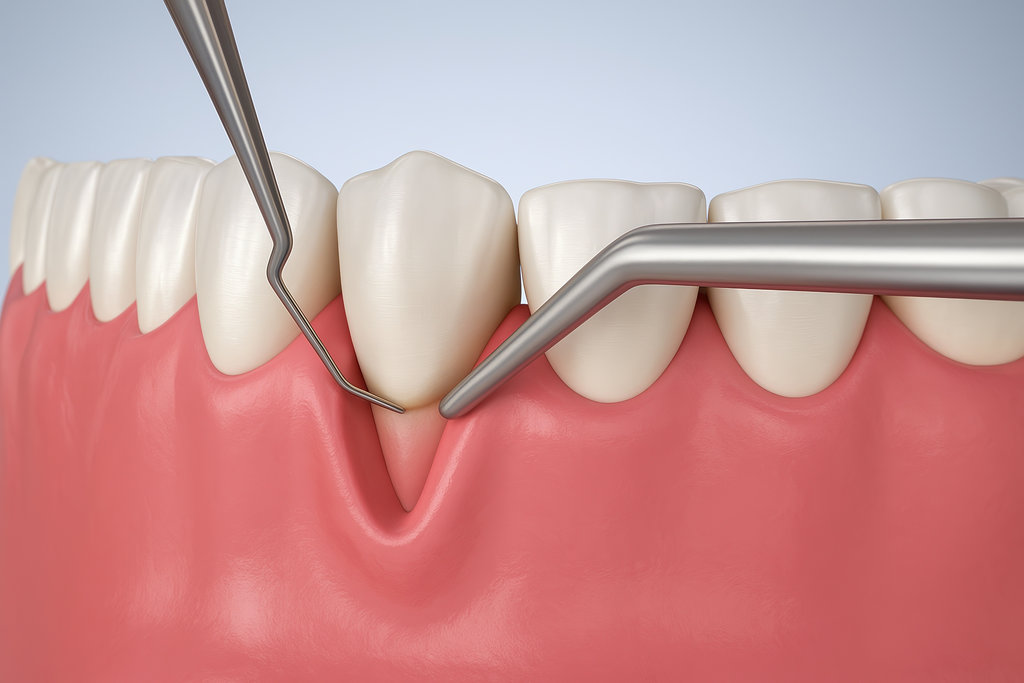
Gum recession creates pockets where your teeth meet the gums, exposing sensitive tooth roots and leaving you vulnerable to bacteria buildup, tooth decay, and eventual tooth loss. This progressive condition affects millions of adults and occurs when the gum tissue pulls away from the teeth, creating an uneven gum line and potentially compromising oral health. When gum tissue recedes, it cannot regenerate naturally, making professional intervention crucial for stopping further progression.
At Park Smiles NYC, our experienced dental team provides comprehensive periodontal care to help you address gum recession before it advances. Our state-of-the-art practice offers personalized treatment plans designed to restore your gum health and protect your smile for years to come.
What Causes Gum Recession to Develop?
Several factors contribute to gum recession, with some being preventable through proper oral care. Poor brushing technique ranks among the most common causes, particularly when using a hard-bristled toothbrush or applying excessive pressure during cleaning. Additionally, genetic predisposition plays a significant role in determining your susceptibility to gum disease and recession.
Lifestyle choices can accelerate the development of gum recession. Tobacco use restricts blood flow to gum tissues, while teeth grinding places excessive force on supporting structures. Hormonal changes during pregnancy, menopause, or puberty can also increase your risk of developing periodontal problems.
How Can You Recognize Early Signs?
Early gum recession often appears as slight changes in your gum line, with teeth appearing longer than usual. You might notice small triangular spaces developing between teeth at the gum line, indicating tissue loss. These visual changes typically progress gradually, making regular dental examinations essential for early detection.
Increased tooth sensitivity to hot, cold, or sweet substances often signals exposed tooth roots due to receding gums. Many patients also experience discomfort when brushing or flossing around affected areas. Persistent bad breath or a bad taste in your mouth may indicate bacterial accumulation in newly formed pockets.
What Prevention Strategies Work Best?
Maintaining excellent oral hygiene forms the foundation for preventing gum recession. Brush gently using a soft-bristled toothbrush and fluoride toothpaste twice daily, focusing on the gum line where bacteria typically accumulate. Flossing daily removes plaque from areas your toothbrush cannot reach effectively.
Regular professional cleanings and examinations allow our team to identify early warning signs and provide preventive care. We may recommend more frequent cleanings if you show signs of developing gum disease or have risk factors for recession. Additionally, addressing habits like teeth grinding through custom night guards can protect your gums from excessive pressure.
What Treatment Options Are Available for Gum Recession?
For mild to moderate gum recession, scaling and root planing provide effective treatment by removing bacterial buildup and smoothing root surfaces. This deep cleaning procedure helps gum tissue reattach to teeth and reduces pocket depth. Antibiotic therapy may be used in conjunction with this treatment to eliminate persistent bacterial infections.
Surgical Solutions
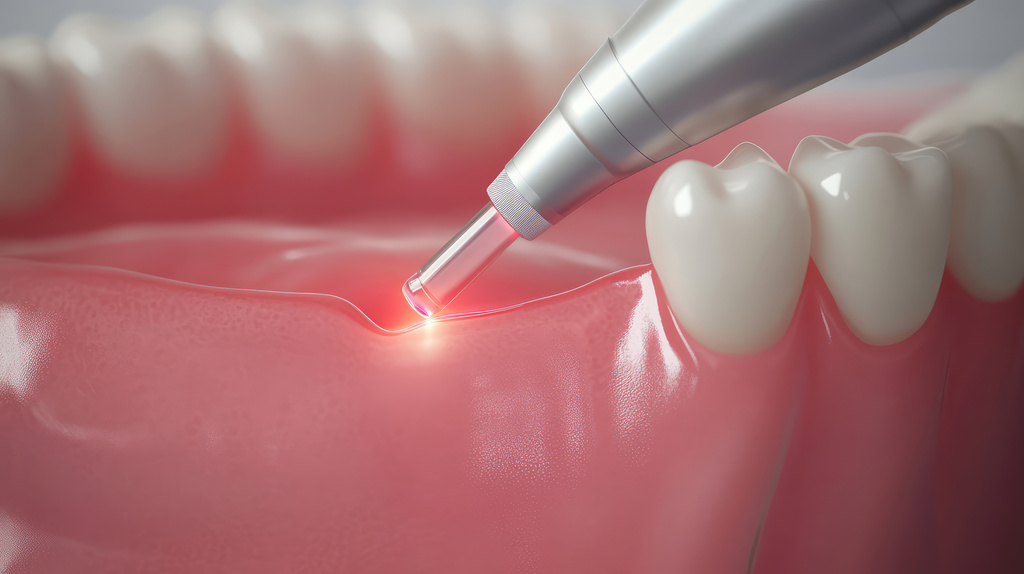
Advanced cases of gum recession often require gum grafting procedures to restore lost tissue and prevent further progression. During this procedure, tissue from another area of your mouth or donor material is used to cover exposed root surfaces. According to the American Dental Association, surgical intervention can effectively halt the progression of recession and improve both function and appearance.
Modern techniques, such as connective tissue grafts, offer predictable results with minimal discomfort. Our surgical team uses advanced methods to ensure optimal healing and natural-looking results that blend seamlessly with your existing gum line.
How Does Treatment Success Depend on Timing?
Early intervention can significantly improve treatment outcomes and may even prevent the need for extensive procedures. When addressed promptly, mild gum recession often responds well to improved oral hygiene and professional cleanings. However, advanced cases require more complex treatment approaches and longer recovery periods.
Delaying treatment allows bacteria to continue damaging supporting structures, potentially leading to tooth loss. The longer gum recession progresses untreated, the more challenging it becomes to achieve complete restoration of healthy tissue and function.
Restore Your Gum Health at Park Smiles NYC
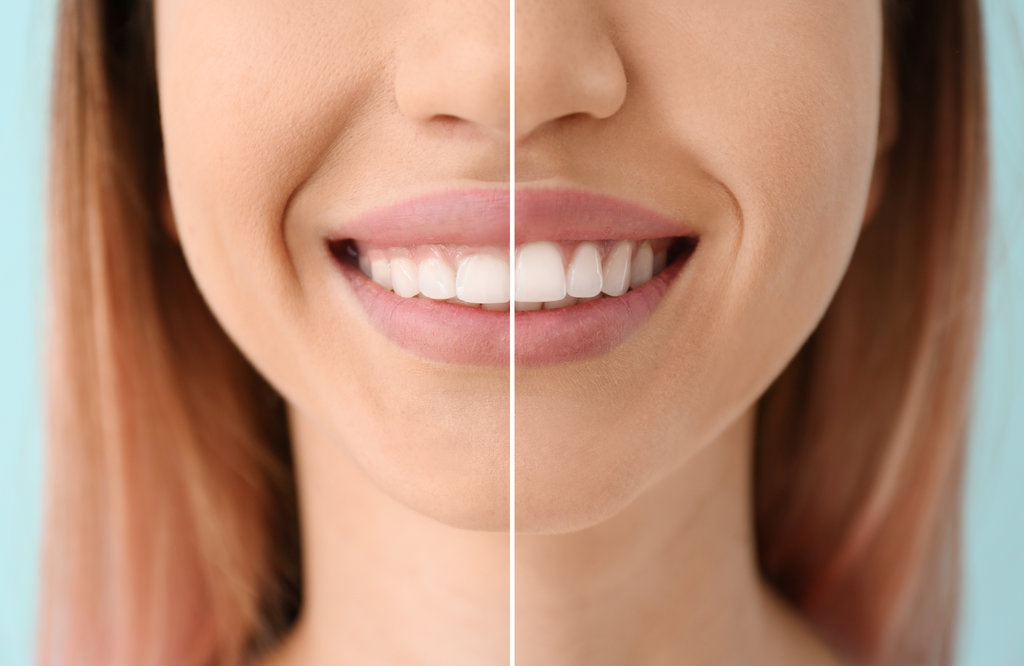
Gum recession threatens both your oral health and smile aesthetics, but effective treatment options can halt progression and restore function. Our comprehensive approach addresses underlying causes while providing targeted treatment for existing recession, helping you maintain healthy gums and a beautiful smile.
At Park Smiles NYC, we understand the importance of preserving your natural teeth and supporting structures through advanced periodontal care. Our skilled team has helped countless patients overcome gum recession and achieve lasting oral health in the heart of Manhattan. If you are experiencing symptoms of gum recession or want to prevent future problems, contact us today to schedule a consultation or call our office at (212) 988-6724.